Water & Sanitation
Where does this issue fit into the Sustainable Development Goals?
Goal 6: Ensure access to water and sanitation for all
Water scarcity, poor water quality and inadequate sanitation negatively impact food security, livelihood choices and educational opportunities for poor families across the world. Drought afflicts some of the world’s poorest countries, worsening hunger and malnutrition.
By 2050, at least one in four people is likely to live in a country affected by chronic or recurring shortages of fresh water.
Facts & Figures
- 2.6 billion people have gained access to improved drinking water sources since 1990, but 663 million people are still without
- At least 1.8 billion people globally use a source of drinking water that is fecally contaminated
- Between 1990 and 2015, the proportion of the global population using an improved drinking water source has increased from 76 per cent to 91 per cent
- But water scarcity affects more than 40 per cent of the global population and is projected to rise. Over 1.7 billion people are currently living in river basins where water use exceeds recharge
- 2.4 billion people lack access to basic sanitation services, such as toilets or latrines
- More than 80 per cent of wastewater resulting from human activities is discharged into rivers or sea without any pollution removal
- Each day,nearly 1,000 children die due to preventable water and sanitation-related diarrhoeal diseases
- Hydropower is the most important and widely-used renewable source of energy and as of 2011, represented 16 per cent of total electricity production worldwide
- Approximately 70 per cent of all water abstracted from rivers, lakes and aquifers is used for irrigation
- Floods and other water-related disasters account for 70 per cent of all deaths related to natural disasters
Find our more about this Sustainable Development Goal.
 This project will increase access to equitable WASH (water, sanitation, and hygiene) services among women, girls, and people living with disabilities in Kampong Chhnang province, Cambodia.
Project cost
0AUD 30,000
16,447
Raised from 2,559 people
.jpg) This program helps solve water scarcity and hygiene issues by empowering rural communities to promote water conservation techniques and develop new water resources.
This program helps solve water scarcity and hygiene issues by empowering rural communities to promote water conservation techniques and develop new water resources.
AUD 30,012
Raised from 4,710 people
 The project aims to support broader gender equality and social inclusion, helping ensure universal access to clean, safe water and good sanitation for Wewak District.
AUD 25,015
Raised from 6,580 people
 With your help, this project will build a new inclusive sanitation block and renovate others in urban Bangladesh. Providing thousands of people with access to safe toilet facilities.
AUD 20,189
Raised from 6,050 people
 This project aims to improve health services in Timor-Leste through construction of water, sanitation and hygiene facilities in four healthcare facilities in Liquica and Manufahi.
AUD 15,002
Raised from 4,381 people
 The project will pursue universal and inclusive Water, Sanitation and Hygiene(WASH) access through working with youth, media, health professionals and marginalised groups.
AUD 15,018
Raised from 4,686 people
 This project will provide communities with clean water, build toilets and taps in schools, reduce the risk of disease outbreak, educate people about hygiene, and help women and girls spend less time collecting water.
AUD 25,003
Raised from 7,296 people
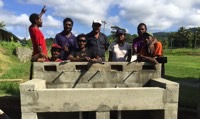 The project will increase access to use of universal, equitable and sustainable water, sanitation and hygiene services as well as empowering women as leaders in the sector and ensuring people with disabilities have a greater voice in decision making.
AUD 30,021
Raised from 8,520 people
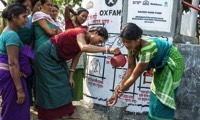 This project will support communities in north-eastern India, helping them to become resilient to the shocks of flooding so that they can maintain clean water and have enough food to eat all year round.
AUD 30,013
Raised from 9,556 people
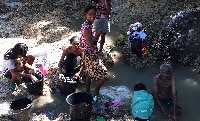 This project will provide clean water by protecting existing water sources from rubbish, animals and other dangerous pollutants as well as training communities to maintain water facilities and improve their knowledge of sanitation practices.
AUD 15,001
Raised from 4,935 people
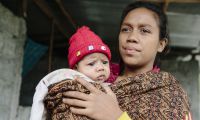 This project will bring clean and sustainable water supplies and decent toilets to four villages in Timor-Leste, whilst teaching people about the importance of hygiene for staying healthy. With all three basics, people will unlock their potential and break free from poverty.
AUD 25,002
Raised from 7,746 people
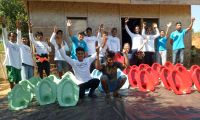 This project will support eight remote communities in Indonesia to improve their everyday sanitation and hygiene practices through training, social awareness and the building of new and safe toilets to prevent open defecation.
AUD 20,042
Raised from 7,048 people
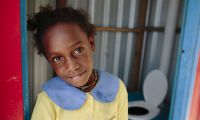 This project will improve water, sanitation and hygiene at four rural schools. In particular, it will support girls to attend school full time through effective and affordable menstrual hygiene management and education.
AUD 30,005
Raised from 9,646 people
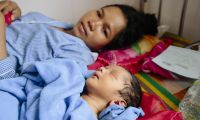 This project aims to improve the cleanliness of healthcare facilities and maternity wards in rural Cambodia. Improving water and sanitation facilities, and educating hospital staff in improved hygiene, will prevent the spread of infection and reduce the risk of maternal and infant death.
AUD 30,004
Raised from 9,789 people
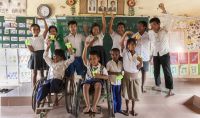 To increase access to water, sanitation and hygiene for the disabled living in one of the communities in the Pursat Province of Cambodia. Also, to increase awareness and improve the perception of the disabled within this community.
AUD 30,025
Raised from 9,530 people
 To enhance the health and quality of life of poor remote rural people living in a village in Manufahi District, through the provision of access to clean water and sanitation and by improving related hygiene practic
AUD 30,000
Raised from 9,087 people
 Many schools in Papua New Guinea have no toilets and no supply of safe water. Together, we can ensure the poorest children stay healthy, gain a better education and achieve their potential.
AUD 28,004
Raised from 9,901 people
 To provide 3 villages in the Mentawai islands with solar panels to power water pumps that will provide water to the local communities.
AUD 16,252
Raised from 6,286 people
 To enhance the health and quality of life of poor remote rural people living in a village in Manufahi District, through the provision of access to improved water and sanitation and by improving related hygiene practices.
AUD 20,018
Raised from 10,026 people
 Due to continuing drought in the Masai village of Kakoi, there is a serious shortage of clean water. This project will lay water pipeline to a local school bringing clean water to a communal tap.
USD 4,219
Raised from 1,849 people
 To enhance the health and quality of life of poor remote rural people living in a village in Liquica District, through the provision of access to safe water, toilets and hygiene practices.
AUD 28,007
Raised from 20,227 people
 Get clean water, sanitation and hygiene to the 23,000 people living in Ufafa region, South Africa and prevent deadly diseases like diarrhoea.
AUD 20,004
Raised from 9,236 people
 This project will enhance the health and quality of life of poor, remote, rural people living in a village in Manufahi District, by providing access to improved water and sanitation and by improving related hygiene practices.
AUD 28,001
Raised from 13,623 people
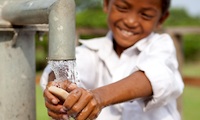 Oxfam’s water, sanitation and hygiene program (WASH) program aims to increase the health of children in specific schools and deliver gender justice within WASH program in Kratie and Preah Vihear districts.
AUD 20,001
Raised from 8,122 people
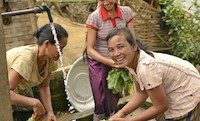 This project will support some of the poorest and most remote ethnic groups in Phongsaly, Sekong and Sayabouri Provinces in Laos by delivering clean water systems, improved levels of nutrition and health, and generating new income opportunities.
AUD 25,002
Raised from 12,304 people
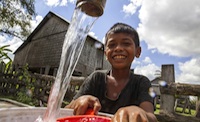 Oxfam’s water, sanitation and hygiene program (WASH) program aims to increase the health of local communities through expanded access to safe water and sanitation and improved hygiene practices in 71 communities.
AUD 20,002
Raised from 9,476 people
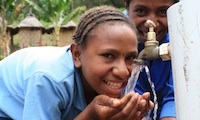 This project will provide 400 children at a rural school in Papua New Guinea with toilet facilities, and clean water for drinking and hand-washing, to improve child health and school retention rates.
AUD 28,327
Raised from 15,565 people
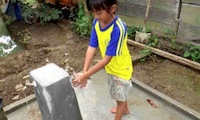 This project will improve the existing water source and deliver clean water to a village tank and tap stands in Kinumbuk, South Pagai, Mentawai Islands.
AUD 5,001
Raised from 2,324 people
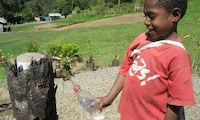 This project will provide children at a rural school in Papua New Guinea with toilet facilities and clean water for drinking and hand-washing to improve child health and school retention rates.
AUD 20,001
Raised from 9,445 people
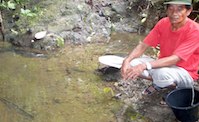 Protection of a spring fed water source, installation of piping and tap stands in Sagitci Barat, Mentawai Islands to improve health and skills in building/maintaining water systems.
USD 5,001
Raised from 2,168 people
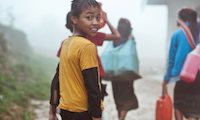 This project funds construction of new 53 water wells in 8 villages in Sayaboury District where the old wells were damaged through flooding and now unusable. Also, reparation of the water system and pipe replacement in Namone village.
AUD 17,074
Raised from 7,708 people
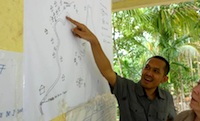 Delivery of safe water, sanitation and hygiene for approx 160 people in one village in Manufahi District including construction of gravity feed water facilities, construction of latrines and hygiene education.
AUD 26,969
Raised from 11,831 people
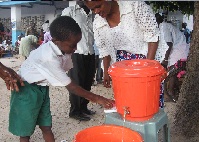 This project will enhance the health and quality of life of 6,000 students in 16 underserved schools in Kilifi through improved access to safe and sustainably managed water supplies.
AUD 20,001
Raised from 8,954 people
 To enhance the health and quality of life of poor remote rural people living in a village in Liquica District, through the provision of access to improved water and sanitation and by improving related hygiene practices.
AUD 30,000
Raised from 13,153 people
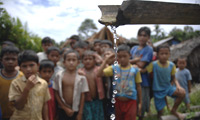 Assessment, evaluation and repair of damaged water facilities together with coordinated activities to deliver training in repair and maintenance and community ownership of the resources.
AUD 18,002
Raised from 8,682 people
 Improve the health of Nias communities through delivery of safe, clean water and sanitation through wells, springs, rainwater tanks and building public latrines and hygiene education
AUD 10,041
Raised from 4,288 people
 To improve the health and quality of life among rural poor communities in 1 village in Liquica District in Timor-Leste through integrated water, sanitation and hygiene education activities, and to advocate for increased quality and quantity output of the whole rural Water and Sanitation and Hygiene (WASH) sector.
AUD 36,302
Raised from 15,248 people
 Improve the health and quality of life of women, men and children through provision of sustainable community-managed water and sanitation services and support change through hygiene education.
AUD 31,552
Raised from 12,823 people
 Improve the health and quality of life of women, men and children in 67 households through provision of sustainable community-managed water and sanitation services and support change through hygiene education.
AUD 25,294
Raised from 10,437 people
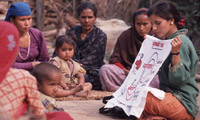 Provide appropriate sanitation facilities for 1,339 students at Janapatha Secondary School and support hygiene education activities.
GBP 2,203
Raised from 2,062 people
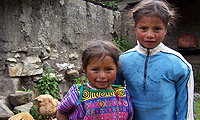 Building capture fog nets to generate a new clean drinking water supply for 300 people, Tiactac village, Western Highlands, Guatemala.
AUD 21,171
Raised from 8,106 people
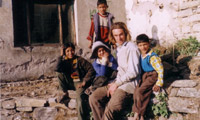 Improve the health status of school children in Khati, through the provision and use of safe drinking and hand washing water, and hygiene education.
AUD 686
Raised from 256 people
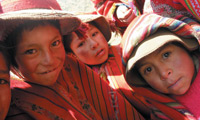 Provide clean drinking water to the remote Qelqanqa Village in Peru
USD 3,008
Raised from 1,339 people
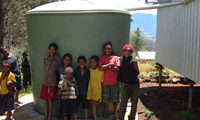 Improve the health status of children in a community school in the Daulu District PNG, through the provision and use of safe drinking and hand washing water, sanitation facilities and hygiene education.
AUD 7,506
Raised from 2,729 people